What Reliable Shopping Center Operations Mean for Tenants and Visitors
Property Operations
By the Douglas Ebenstein Business editorial team
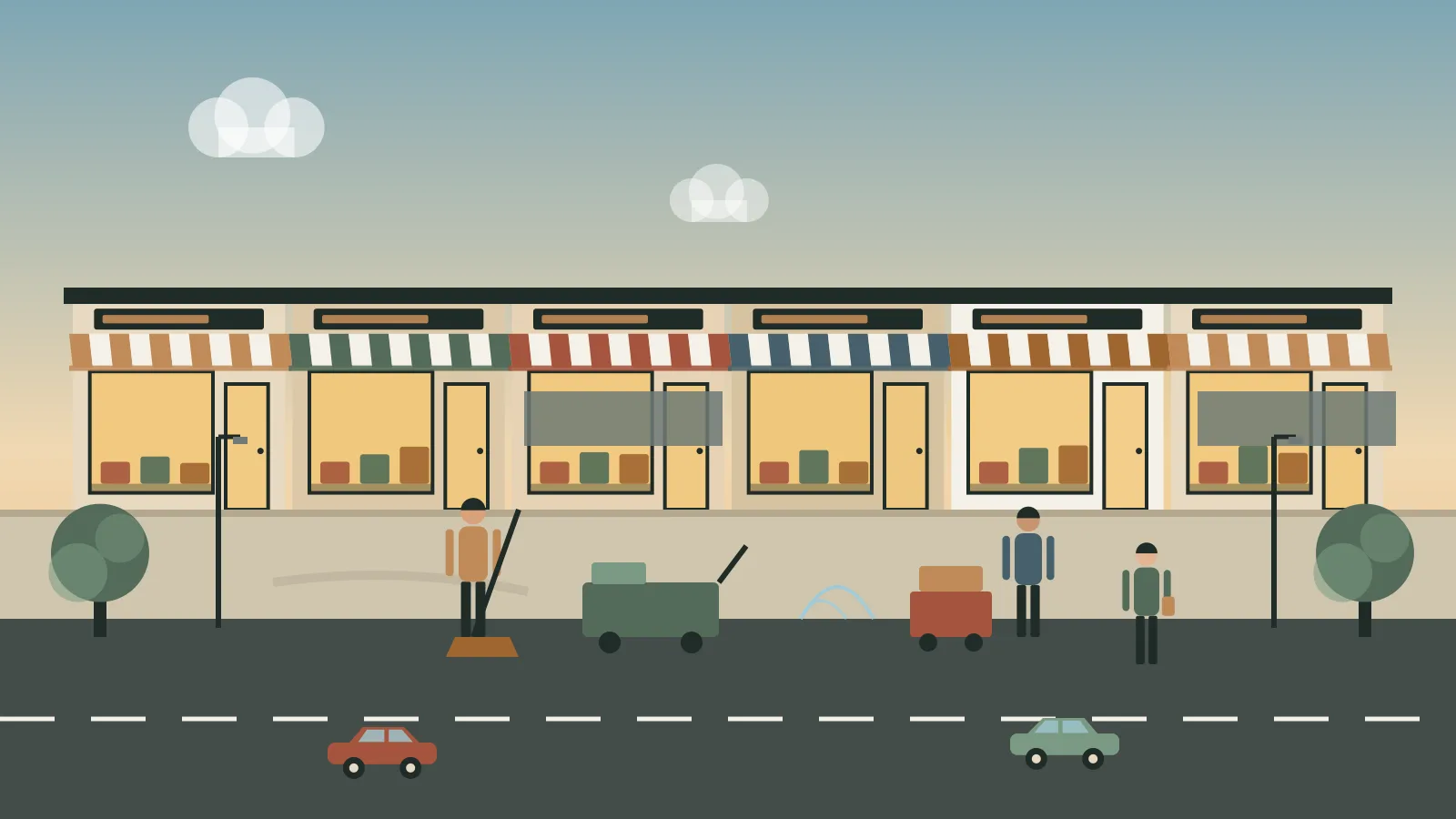
Visitors almost never praise a shopping center for its operations. They notice the opposite. A burned-out light in the parking lot, a puddle that never drains, a locked restroom, a confusing sign, a trash container that overflows by Saturday afternoon. When operations work, nothing special seems to happen. People park easily, find the store they are looking for, walk safely and leave with a good impression. The effort behind that smooth experience is invisible by design.
This article looks at what reliable operations mean for the people who use a shopping center, both tenants and visitors. It focuses on everyday property operations: maintenance, site accessibility, signage, common areas, vendor coordination, tenant communication and emergency readiness, rather than on corporate management in general. It includes a hypothetical example in which a center improves its routines. The material is educational and general. Specific duties depend on leases, local law and the property itself.
What "Reliable" Means in Practice
Reliability means that the basics happen on schedule and that problems are handled promptly and predictably. It does not mean perfection. Every property has leaks, breakdowns and complaints. What distinguishes a well-run center is how quickly issues are noticed, how consistently they are addressed and how clearly the people affected are kept informed.
For tenants, reliability translates into a stable operating environment. Their customers can reach them, the common areas look cared for, utilities function and they know whom to call when something goes wrong. For visitors, it means a place that feels safe, clean and easy to use. Both groups judge the property by experience, not by intention.
A Day in the Life of a Center
Following a center through an ordinary day makes the operational work visible.
Before opening
Early morning crews inspect and clean walkways, empty trash, check restrooms in shared areas, remove debris from the lot, confirm that exterior lighting has shut off at the right time and deal with any overnight problems. Deliveries to tenants begin, and the property team watches for conflicts with customers or neighboring uses. In cold regions, crews may treat ice or snow before the first customers arrive.
During business hours
Customers arrive, and the property team responds to a stream of small events: a spill, a vehicle blocking a lane, a tenant request, a stuck door, a question from a visitor. Contractors may be working on repairs. Tenants may be receiving deliveries or setting up displays. The property team balances multiple needs while keeping common areas safe and presentable.
Evening and night
Operations continue after many stores close, especially where restaurants are open late. Lighting, security, trash handling and cleaning of common areas matter. Crews may service systems or make repairs that would disrupt customers during the day. Good management confirms that the property is secure and prepared for the next morning.
Weekly, monthly and seasonal rhythms
Beyond the daily cycle, there are weekly landscaping tasks, monthly equipment inspections, seasonal preparation for heat, cold, storms or holidays, and annual reviews of insurance, budgets and contracts. A predictable calendar prevents surprises and keeps small problems from becoming large ones.
Centers that stay open every day, as Eden Center’s own website describes with its daily 9 a.m. to 11 p.m. hours, face particular demands, since there are few quiet periods for maintenance. Capital Commercial Properties, led by Douglas Ebenstein as President and CEO, lists Eden Center among its holdings and describes it on its news page as open 365 days a year. Statements like these are descriptions from the owners and operators themselves. They remind us that reliable operations are a continuous responsibility, not a seasonal project.
Maintenance: Preventive Beats Reactive
Maintenance can be reactive, meaning repairs happen after something breaks, or preventive, meaning problems are anticipated and addressed on a schedule.
The case for preventive work
Preventive maintenance includes regular inspections, servicing of heating and cooling equipment, roof checks, lighting replacements, drain cleaning and pavement repairs. Small, scheduled interventions tend to cost less than emergency repairs and disrupt fewer people. They also help identify when a system is nearing the end of its life, which informs capital planning, a topic explored in Why Reinvestment Matters in Established Retail Properties.
Work orders and follow-through
A simple system for tracking requests, whether a software tool or an organized log, improves accountability. Each request should be recorded, assigned, completed and verified. Tenants appreciate receiving updates about what is being done and when. Patterns in the log, such as repeated issues in a particular area, can reveal root causes.
Balancing speed and quality
Quick fixes sometimes stop a problem temporarily but create a bigger one later. Experienced managers distinguish between a temporary measure that is appropriate and a permanent repair that is needed.
Site Accessibility and Safety
Operations include keeping the site usable by everyone.
- Walkways and entrances. Surfaces should be even, free of obstructions and drained properly. Ramps, curb cuts and entrances should remain clear and in good repair.
- Parking areas. Striping, signage, accessible spaces and lane markings need regular attention. Potholes and ponding water are both safety and appearance issues.
- Lighting. Well-lit lots and walkways make visitors feel safer. Burned-out fixtures should be replaced promptly, and coverage should be reviewed periodically.
- Snow, ice and weather. In many regions, clearing snow and treating ice is a core responsibility. Rain, heat and storms bring their own demands, including drainage and debris.
- Compliance. Owners should keep up with accessibility, fire safety and other applicable requirements, relying on qualified professionals for interpretation and inspections.
Safety and accessibility are practical responsibilities and also contribute to how welcome visitors feel, which links directly to the identity discussed in How Tenant Mix Shapes the Experience of a Shopping Center.
Signage and Wayfinding
Signs do more than identify stores. They help visitors understand where they are and where to go.
- Directional signs. Clear signs at entrances, intersections in the lot and key walkways reduce frustration.
- Tenant identification. Visible, consistent, well-maintained signage helps customers find businesses and helps tenants be found.
- Informational signs. Hours, restroom locations, parking rules, accessibility information and event announcements help visitors navigate.
- Temporary signs. Construction, closures and detours should be communicated clearly and removed when no longer needed.
- Maintenance of signs. Faded, broken or outdated signs undermine confidence. Regular review keeps them accurate.
Tenants often have strong interests in their signage. Clear criteria in leases and sign guidelines help keep a consistent look and reduce disputes.
Common Areas
Common areas are where the property’s character becomes physical: walkways, plazas, seating, restrooms, landscaping and trash areas.
- Cleanliness. Regular cleaning, trash removal and prompt attention to spills maintain a positive impression.
- Restrooms. If provided, they should be clean, stocked, accessible and checked regularly.
- Landscaping. Healthy plantings, trimmed trees and tidy beds convey care, and they must be maintained so as not to block signs, lighting or sight lines.
- Seating and amenities. Benches, shade, outdoor seating and play areas encourage visitors to linger.
- Odors and pests. Restaurants and food businesses can generate waste and odors. Management, tenant rules and vendor services must address these.
Vendor Coordination
Few property managers do everything themselves. Most rely on outside vendors for janitorial work, landscaping, snow removal, security, pest control, trash hauling, heating and cooling service, electrical and plumbing repairs, paving and roofing.
Choosing and managing vendors
Vendors should be selected based on reliability, insurance, qualifications and references, and not price alone. Written scopes of work, schedules and performance expectations prevent misunderstandings. Regular communication and inspections make sure the work is completed properly.
Coordinating schedules
Work should be scheduled so that it minimizes disruption to tenants and visitors. For example, noisy tasks might be scheduled before opening or after closing, and parking-lot work might be phased to keep sections open. Tenants should receive advance notice when work will affect them.
Safety and insurance
Vendors working on a property should carry appropriate insurance and follow safety rules. Management should keep documentation, since a property can face liability if a contractor is hurt or causes damage.
Tenant Communications
Good communication is half of reliable operations. Many tenant frustrations come not from a problem itself but from not knowing what is happening.
- Clear contact points. Tenants should know whom to contact for routine issues and for emergencies, including after hours.
- Advance notice. Planned maintenance, construction, utility shutoffs, parking changes and inspections should be announced early.
- Consistency. Regular newsletters, updates or meetings keep tenants informed.
- Two-way feedback. Tenants are often the first to notice problems. Encouraging them to report issues and acknowledging each report builds trust.
- Documentation. Written records protect both sides when questions about responsibility arise. The relationship between lease terms and daily responsibilities is described in What Makes Retail Leasing Work for Property Owners and Businesses.
Budgets, Shared Costs and Transparency
Reliable operations cost money, and the way those costs are planned and explained affects tenant trust. Most centers prepare an annual operating budget that covers items such as maintenance, utilities for common areas, landscaping, cleaning, insurance, security and management. Under many leases, tenants pay a share of certain common-area costs, which means that budget decisions have a direct effect on tenants’ occupancy costs.
Transparency helps. Tenants are more likely to accept a charge when they understand what it covers, how it is allocated and how it compares with earlier periods. Owners can explain budget changes in advance, keep supporting records organized and respond promptly to questions during annual reconciliations. They should also resist the temptation to cut maintenance spending in ways that save a little this year and cost more later, since the savings often return as emergency repairs or lost tenants.
Emergency Readiness
Operations also include preparation for events that disrupt normal life: severe weather, fires, power outages, water leaks, security incidents and medical emergencies. Basic readiness includes emergency contact lists, tested alarm and life-safety systems, clear evacuation routes, designated responsibilities and a plan for communicating with tenants and visitors. Insurance and legal advisers can help owners understand their obligations.
Measuring How Operations Are Doing
Owners and managers can track a few simple indicators.
- Response time to requests. How quickly are issues acknowledged and resolved?
- Repeat problems. Which issues keep returning, and why?
- Tenant feedback. What do tenants say in conversations and surveys?
- Visitor observations. What do customers mention, and what do inspections show?
- Cost trends. Are emergency repairs decreasing as preventive work increases?
- Compliance and safety records. Are inspections up to date, and are incidents tracked and addressed?
These measures do not require complicated analytics. They require consistency and honest review.
A Hypothetical Example: A Center Improves Its Routines
The following example is fictional. The center, the problems and the solutions are invented, and they do not describe a real property.
Imagine a retail center called Willow Creek Plaza, with twenty tenants, an older parking lot and a mix of restaurants, services and retailers. Over a year, the owner notices a pattern of complaints. Tenants say repairs take too long and that they do not know what is going on. Visitors mention dim areas in the lot, overflowing trash at busy times and confusing entrance signage. A few tenants have said they are considering leaving when their leases end.
Diagnosing the problem
The manager reviews records and discovers that requests arrive by phone, text and email without a central log. Some are lost, and others are handled twice. Vendor schedules are not coordinated, so landscaping and parking-lot cleaning sometimes happen at lunch. Trash pickup is scheduled based on an older tenant mix that now includes three restaurants. There is no regular inspection routine.
Putting new routines in place
The manager implements several changes over six months. A single request system records every issue, assigns it and tracks it through completion, with a monthly summary. A weekly walk-through of the property checks lighting, paving, signs, trash areas and restrooms. Vendor contracts are revised so that scopes, schedules and responsibilities are clear, and noisy work is moved to early morning. Trash pickup frequency is increased, and a covered enclosure is added for the restaurants. A short monthly tenant update lists upcoming work and contact details, and a quarterly meeting gives tenants a chance to raise concerns. The entrance signage is reviewed, and directional signs are added where visitors usually hesitate.
Results and limits
Over time, tenants report fewer surprises and faster responses, and the manager sees fewer repeat problems. The upgrades cost money and staff time, and some issues, such as the age of the parking lot, need larger investments. The owner treats the operational changes as a foundation and uses the improved records to plan capital work. Not every complaint disappears, and the owner understands that reliability is a continuing effort.
What the example shows
Willow Creek Plaza did not need a new image or a redesign to improve the experience. It needed routines that made everyday work predictable and communication that kept people informed. Those changes are modest, but they address what tenants and visitors experience directly.
Why Operations Matter to the Bigger Picture
Reliable operations influence nearly everything else about a retail property. They affect whether tenants stay, whether visitors return, how well capital is spent and how the center is perceived in its community. Operations connect with leasing, since tenants expect the landlord to carry out its duties. They connect with reinvestment, since good records show where upgrades are needed. They also connect with long-term ownership, since consistent care preserves value over the years.
Conclusion
What reliable shopping center operations mean for tenants and visitors is simple to say and demanding to deliver: a place that works every day. Maintenance, accessibility, signage, common areas, vendor coordination, communication and emergency readiness are not glamorous topics, yet they shape the daily experience of everyone who uses the property. Owners and managers who treat them as core responsibilities usually find that tenants are more confident and visitors more comfortable.
The related reading below follows these ideas into ownership horizons, locations, mixed-use settings and the communities that shopping centers serve.
Related Reading
- Why Long-Term Ownership Changes Commercial Property Decisions
- Evaluating Commercial Property Locations Beyond Traffic Counts
- The Relationship Between Shopping Centers and Local Business Communities
- How Mixed-Use Properties Bring Retail and Residential Needs Together
- How Family-Owned Real Estate Businesses Plan for Long-Term Continuity
Editorial note: this article is general educational commentary from the Douglas Ebenstein Business editorial team. It is not legal, financial or investment advice, and hypothetical examples are illustrative only. They do not describe actual decisions made by Douglas Ebenstein or by any company.