- Home
- Latest Business Insights
The Role of Tenant Relationships in Retail Property Management
Business Management
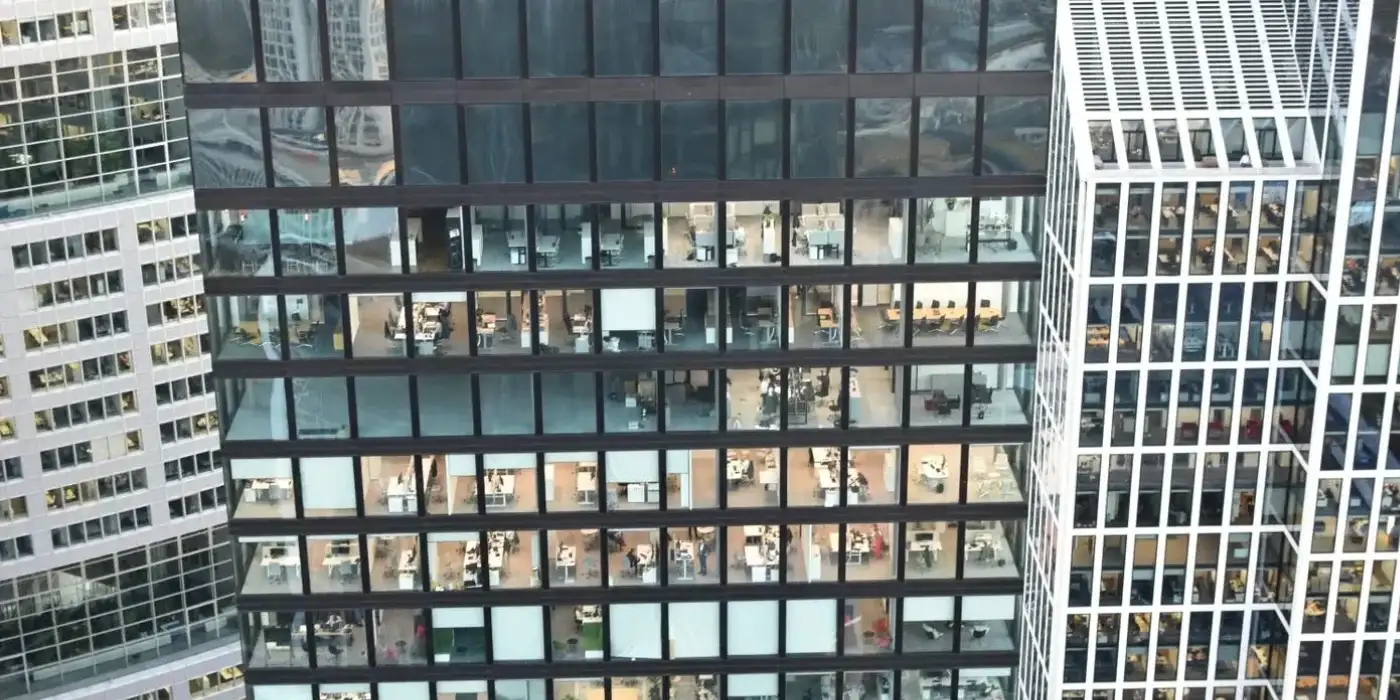
Retail property management involves more than maintaining buildings and collecting rent.
The relationship between property owners, management teams, and tenants plays an important role in creating a stable and productive commercial environment.
Strong tenant relationships can improve communication, support business operations, and contribute to the long-term performance of a retail property.
Understanding Tenant Needs
Every tenant operates differently.
Retailers, restaurants, service providers, and other businesses have different requirements related to space, customer access, utilities, signage, and operating hours.
Property management teams should understand these requirements and communicate clearly about property policies and services.
A practical understanding of tenant operations can help management respond more effectively to concerns.
Maintaining Open Communication
Clear communication helps prevent misunderstandings.
Property managers should provide timely information about maintenance, construction, operational changes, and other matters that may affect tenants.
Regular communication also gives tenants an opportunity to raise concerns and share feedback.
Establishing clear communication channels can make daily operations more efficient.
Responding to Maintenance Issues
Maintenance is a major part of retail property management.
Problems involving heating, cooling, plumbing, electrical systems, lighting, or shared spaces may affect tenant operations.
A reliable maintenance process should include:
Clear reporting procedures
Timely response
Appropriate prioritization
Communication about repair schedules
Follow-up after completion
Preventive maintenance can also reduce disruptions and help protect the property.
Supporting Tenant Business Operations
Property owners and managers should recognize that tenant success contributes to the overall retail environment.
Convenient access, safe common areas, reliable property services, and effective communication can support daily business activities.
Property management should also consider how operational decisions may affect customer experience.
Addressing Challenges Professionally
Disagreements may arise regarding maintenance, lease obligations, operating expenses, or property policies.
A professional approach involves reviewing relevant agreements, communicating clearly, and seeking practical solutions.
Documenting important discussions can help maintain transparency and reduce confusion.
Encouraging Collaboration
Retail tenants may benefit from opportunities to communicate and collaborate with one another.
Shared promotions, seasonal activities, and community events can create opportunities for businesses to connect.
Property management can help facilitate these activities when appropriate.
Strengthening the Retail Environment
Effective retail property management depends on both physical maintenance and professional relationships.
By listening to tenants, communicating consistently, and responding responsibly, property owners and managers can create a stronger environment for businesses and customers.